Technical Design In this section of my website I am going to look at the technical skills I have developed over the course of this module and how they are relevent to my project. I will also look at how these technical ideas I have developed can help me promote my documentary idea. Canon 450D 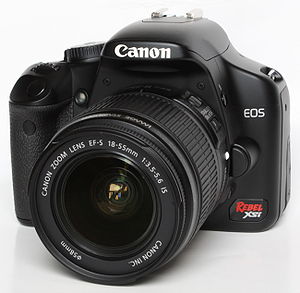 |
||||
The Canon 450D is the camera I will be using predominantly for stills for this project. Over the weeks I have been trained how to use the camera to it's full capabilities learning techniques such as pull focusing. As a semi professional camera, it will become of key importance when it comes to one of our promotional materials. Our poster ideas feature photographs (superhero looking over a city, superhero waiting at a bus stop) and correct knowledge of the camera will allow us to create as professional poster as possible thus enticing our audience to come and watch our film. It also came in great use when it came to shooting our photojournalism essays. One reason why using the 450D for taking pictures is so good is because it is able to take RAW images. These high quality photographs allow us to edit them quite efficently without losing and of the quality of the picture. When opened in photoshop, the images are taken to a special RAW editing station first where we are able to edit the pictures and then convert them into a jpeg file. 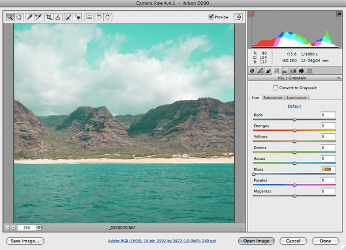 ISO International Organisation for Standardisation refers to how sensitive the camera is to light with 100 being the lowest and 1600 being the highest.
Shutter Speed The shutter speed basically means how long the shutter stays open for on the camera. A fast shutter speed such as 1/1000 closes the shutter for a very short time. This speed is especially good when photographing something involving alot of action as it can capture images without bluring. The setting does need a lot of light to work sufficently though. The slower end of the shutter speed allows for fluid shot to be taken. They are often very blured though so for the best results a tripod is usally needed. Depth of Field The depth of field of a photo is the area which is in focus. It is also directly affected by the aperture. The depth of field is measured in F numbers with the lower F numbers being a shallow depth of field and the higher F numbers being a larger depth of field. The aperture directly effects the depth of field as it effects the amount of light getting into the camera. The lower the F number, generally, the higher the aperture needs to be and vice versa. This is so you can get the best quality images. Canon 550 D 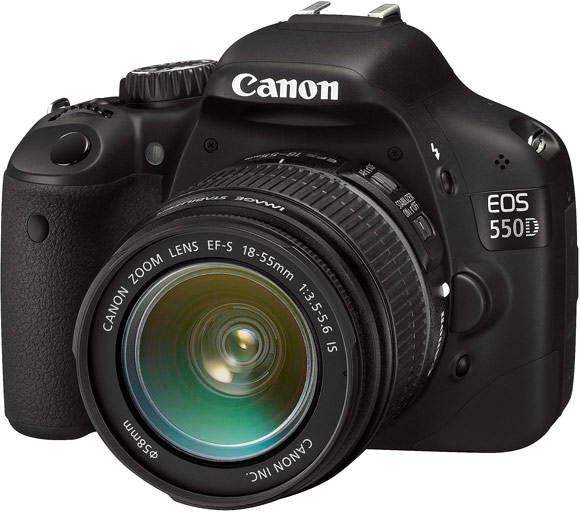 Although very similar to the 450 D cameras, the 550 D also allows us as a group to shoot full HD video as well as take stills. This is very useful to use as it is more portable than most full HD cameras allowing us to film very easily. This was especially true when it came to filing our teaser trailer for the project. We felt that as there wasn't going to be any action invloved in the scene that the 550 D could handle it. As it filmed straight to SD card rather than tape, we were easily able to transfer the footage onto a mac and edit it all in final cut pro. 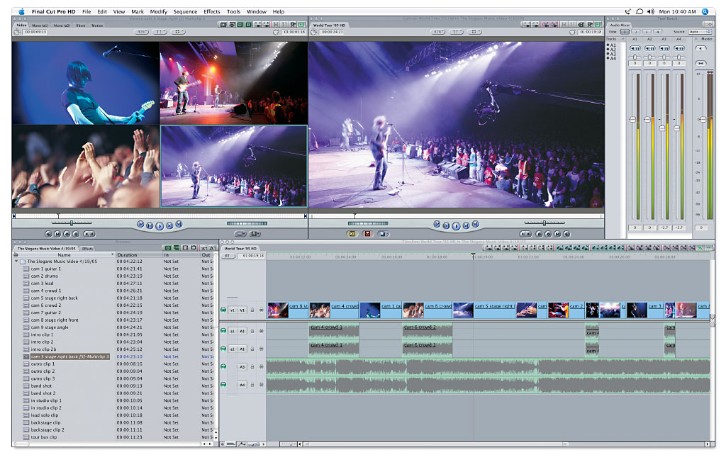 Web Design
One big part of technical design was creating the websites for us to use on yola and wix. As we are a company and we will hopefully use both websites for promotional purposes as it gets closer to the festival, we had to make them look as professional as possible hence why we chose the grey, neutral colour scheme. We also opted for buttons linking to all the pages on every page so as to make navigation around the site easier. We also chose to have a group picture on the first page as well as individual pictures on each crew members page. This meant people could put names to faces and make us more recognisable. We also chose to include our logo on each page so the branding stays clear.  |
||||